Tips for Selecting Eco-Friendly Packaging
Food Packaging Innovations: What's New for Eco-Friendly Food Storage
Food packaging trends are increasingly oriented toward sustainability. Sustainable alternatives to plastics and biodegradable solutions are growing in importance. Innovations in reusable and smart packaging are emerging, providing convenience while minimizing waste. Minimalist designs are also gaining traction, emphasizing efficiency and aesthetics. As consumer awareness grows, brands must adapt to these changes. The critical question is how these evolving trends will redefine food storage solutions and shape the decisions of consumers.
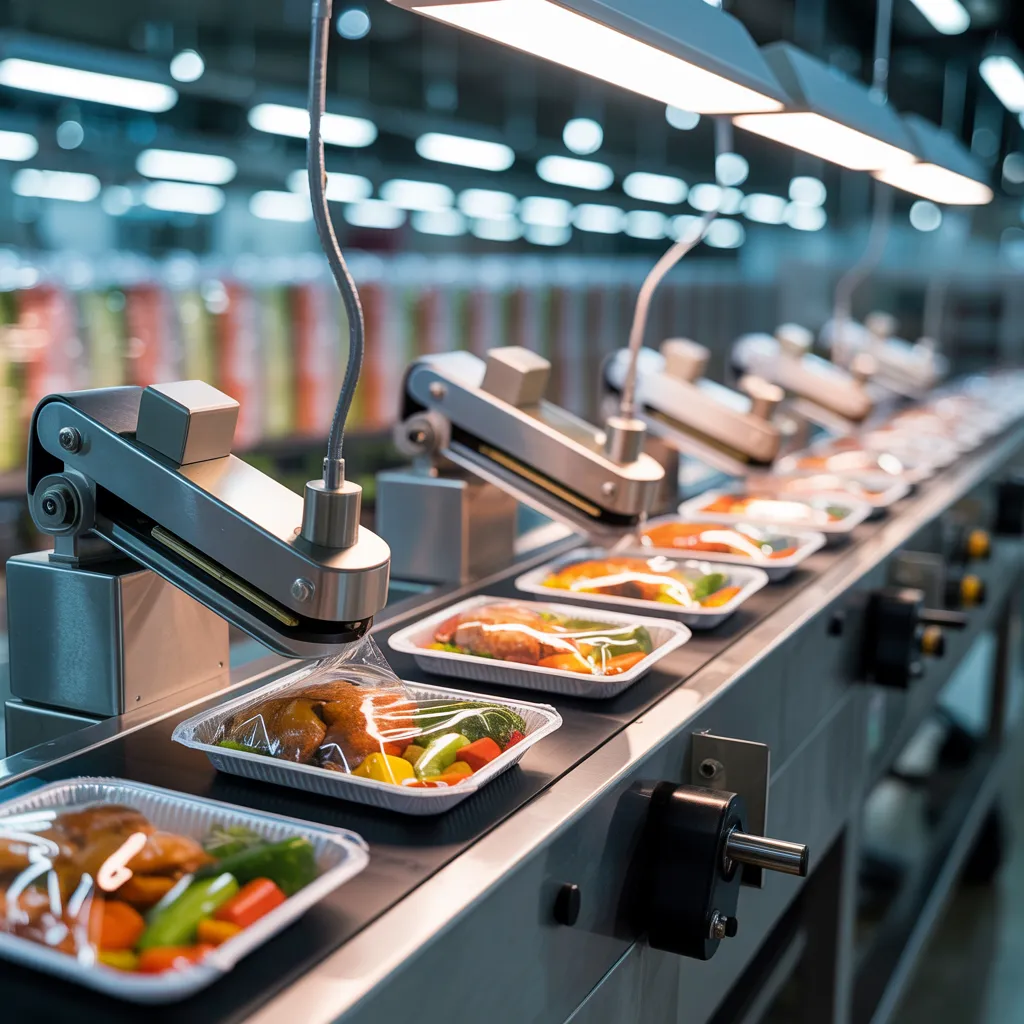
Why Biodegradable Materials Are Essential for a Sustainable Future
As concerns about the environment continue to rise, the significance of biodegradable materials in food packaging grows ever more apparent. Standard plastic packaging is a major contributor to worldwide pollution, requiring hundreds of years to break down while endangering wildlife. On the other hand, biodegradable materials present an eco-friendly alternative that naturally deteriorates, reducing landfill waste and environmental impact.
Such materials, commonly obtained from renewable resources, not only help minimize pollution but also contribute to a circular economy by reintroducing nutrients back into the earth. Advancements in biodegradable packaging, including plant-based films and compostable containers, are attracting growing interest from both consumers and businesses.
Moreover, mounting regulatory demands and rising consumer preferences for environmentally friendly solutions are compelling organizations to implement these sustainable approaches. By embracing biodegradable materials, the food packaging industry can play a vital role in mitigating climate change and fostering a healthier planet for future generations. This shift indicates a necessary step toward a more responsible and sustainable future.
Eco-Friendly Alternatives to Single-Use Plastics: A Comparison
As single-use plastics have controlled the food packaging landscape for generations, a growing array of environmentally friendly alternatives is emerging as practical substitutes. Options including biodegradable films, compostable containers, and plant-based plastics provide promising options for decreasing environmental impact. Biodegradable films, commonly derived from starch or cellulose, decompose more rapidly in natural environments compared to traditional plastics. Compostable containers, derived from renewable resources, deliver a sustainable choice for foodservice uses, particularly in settings focused on cutting down on waste. Additionally, plant-based plastics, such as polylactic acid (PLA), offer similar performance qualities to conventional plastics while being derived from renewable materials. Each alternative presents unique benefits and challenges, including cost, availability, and specific use cases. As consumer knowledge expands, these eco-friendly options are becoming essential in the fight against plastic pollution, paving the way for a more sustainable future in food packaging.
Breakthroughs in Sustainable Food Packaging: Reusable Options
Breakthroughs in eco-friendly food packaging are directing more attention toward reusable alternatives that reduce environmental impact. The growth of sustainable biodegradable resources is accompanied by the advancement of resilient containers engineered for extended reuse. In addition, pioneering design attributes improve usability, making these offerings simultaneously practical and attractive to end users.
Biodegradable Materials Revolution
The move toward biodegradable materials in food packaging is revolutionizing the industry, providing green solutions that combat ecological challenges. Breakthroughs in bioplastics, made from natural materials like corn starch and sugarcane, are becoming popular as they degrade more efficiently than traditional plastics. These solutions offer the necessary durability for food storage while also reducing landfill waste. Businesses are continuously committing to research to boost the efficiency and cost-effectiveness of biodegradable options, serving eco-conscious consumers. Additionally, the rise of accreditations for compostable packaging is fostering clarity and public confidence. As understanding of environmental issues expands, the demand for biodegradable materials in food packaging is expected to intensify, shaping a more environmentally responsible future for the industry.
Heavy-Duty Reusable Containers
With the growing emphasis on sustainability in food packaging, long-lasting reusable containers are proving to be an effective answer to minimizing single-use waste. Crafted to last over time, permitting consumers to preserve and move food securely across many uses. Produced using materials including glass, stainless steel, and high-grade plastics, they withstand repeated use and are often dishwasher safe, promoting convenience. The shift towards durable options reflects a broader commitment to environmental responsibility, as they markedly decrease the reliance on disposable packaging. Furthermore, companies that embrace reusable containers frequently experience greater customer retention, because shoppers recognize and support the sustainable option. In the end, long-lasting reusable containers offer a sensible strategy for reducing environmental harm while improving food storage effectiveness.
Advanced Design Characteristics
As sustainability emerges as a priority in food packaging, cutting-edge design features are emerging that improve the functionality and appeal of reusable solutions. Contemporary reusable containers now integrate materials that are not only eco-friendly but also versatile, such as bioplastics and recycled fibers. Advanced sealing systems guarantee freshness while reducing waste, and modular configurations allow for convenient stacking and storage. Additionally, many brands are integrating smart technology, delivering features like QR codes for freshness tracking or recipe suggestions. Practical designs, such as collapsible or foldable options, meet consumers' demands for convenience. These innovations not only promote sustainability but also drive a shift in consumer habits towards more responsible food storage practices, making reusable solutions increasingly attractive in today's market.
How Smart Packaging Technologies Enhance Sustainability
While conventional packaging has long been linked to environmental issues, smart packaging technologies are emerging as a transformative solution that enhances sustainability. These cutting-edge systems leverage sensors and indicators to assess product freshness, considerably decreasing food waste. By supplying live data on product deterioration, they allow consumers and retailers to make educated decisions, substantially lengthening the lifespan of perishable items.
Furthermore, intelligent packaging can be engineered utilizing environmentally friendly materials and features that decrease the environmental effects. For instance, various technologies feature QR codes that enable recycling by delivering comprehensive disposal guidelines. This not only promotes conscientious consumer habits but also simplifies the process of recycling.
Moreover, the incorporation of smart packaging with supply chain management boosts efficiency by following products from the point of origin to the point of sale. This traceability reduces surplus stock and streamlines product distribution. On the whole, smart packaging represents a visionary methodology that harmonizes modern technological advancements with sustainability goals in the food production industry.
How Minimalist Design Helps Reduce Waste
Minimalistic food packaging design goes beyond simplicity by playing a vital role in waste reduction. By eliminating superfluous components, this type of packaging commonly demands less material overall, which has a direct impact on reducing resource consumption. This efficient methodology allows producers to develop lighter goods that are easier to practical tips transport, leading to a significant reduction in carbon emissions throughout distribution.
Additionally, minimalist aesthetics tend to place functionality at the forefront, ensuring that packaging serves its purpose effectively without excess. This focus on essential features reduces the likelihood of over-packaging, which stands as a major factor in environmental waste. Moreover, elegant yet uncomplicated designs can improve consumer appeal, advancing the concept of sustainability while preserving stylistic integrity.
As the industry continues to shift toward eco-conscious practices, minimalist packaging emerges as a practical solution that supports both sustainability targets and shopper demands, ultimately cultivating a mindset of sustainability in food storage.
Consumer Consciousness: Catalyzing Change in Sustainable Food Packaging
Public awareness has grown considerably in recent years, with approximately 66% of global consumers showing concern regarding the environmental impact of their purchases. This growing concern is reshaping the food packaging landscape, prompting brands to prioritize sustainable practices. Consumers are increasingly seeking products with eco-friendly packaging, compelling businesses to embrace recyclable, biodegradable, or compostable options.
Moreover, transparency has become a vital factor; shoppers are now favoring brands that clearly communicate their sustainability efforts. This change is driving producers to develop new approaches, emphasizing simplified designs that cut down on waste while preserving product standards. As a result, the food industry is experiencing a transformative shift towards more responsible packaging solutions.
Ultimately, the consumer-driven push for sustainability is not just a fleeting movement; it is a foundational transformation that is transforming how items are packaged and advertised, guaranteeing that environmental priorities remain central to industry standards.
Popular Questions We Receive
What Are the Expenses Involved With Sustainable Food Packaging Choices?
The financial considerations surrounding sustainable food packaging options generally consist of increased material expenses, investment in innovative technologies, and likely greater production expenditures. However, lasting financial gains and ecological advantages may offset these initial costs for companies.
In What Ways Do Consumers Shape Packaging Design Decisions?
Shoppers substantially impact packaging design choices through their preference for convenience, sustainability, and aesthetics. The demand for sustainable materials encourages manufacturers to innovate, ensuring that packaging fulfills both environmental standards and consumer expectations for functionality and visual appeal.
Are Certifications Available for Sustainable Food Packaging Materials?
Yes, there are several certification programs for environmentally conscious food packaging materials, including BPI, FSC, and Cradle to Cradle. Such certifications assist consumers in identifying environmentally friendly options, supporting responsible sourcing practices and lessening ecological harm.
What Role Do Government Regulations Play in Sustainable Packaging?
Government regulations considerably influence sustainable packaging by setting guidelines that encourage eco-friendly materials, mandate recycling efforts, and encourage new developments. These frameworks guide manufacturers to adopt greener approaches, resulting in long-term advantages for both the environment and community well-being.
How Do Businesses Measure the Impact of Sustainable Packaging?
Businesses can measure the impact of sustainable packaging by analyzing metrics such as reduced carbon footprints, waste generation, consumer feedback, and lifecycle assessments, enabling them to evaluate effectiveness and make informed improvements in their packaging strategies.